


 Metropolitan France
 United Kingdom
 Deutschland
 Belgique
 Suisse
 Österreich
 España
 Italia
 Danmark
 Sverige
 Portugal
 Polska
 Luxembourg
 Other countries
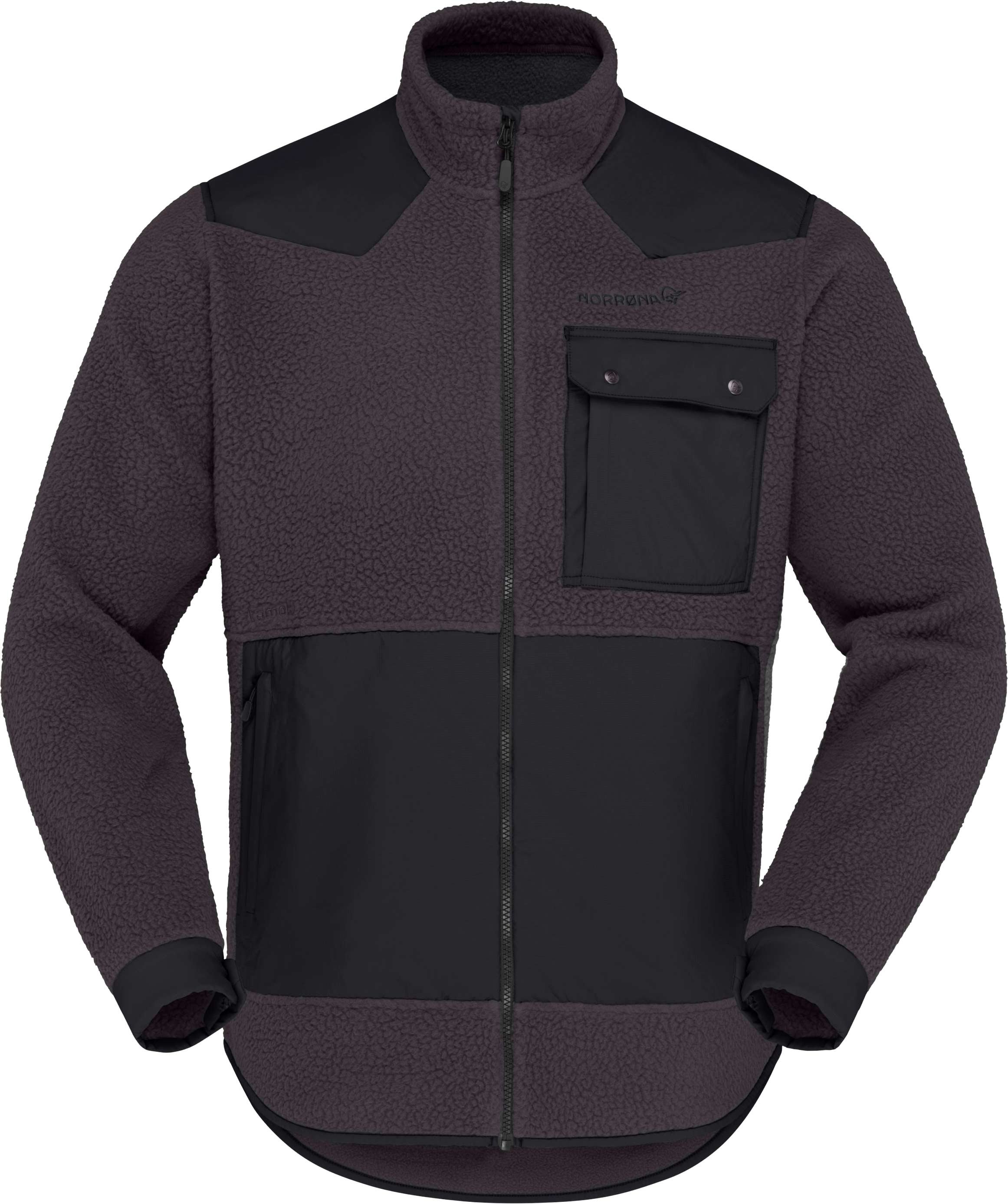
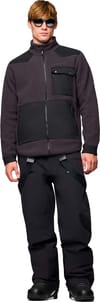
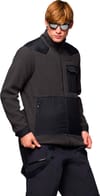
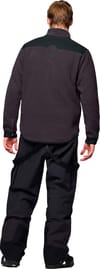
Tamok Warm3 Jacket M Phantom Caviar Black
Lightweight, breathable fleece - Men -
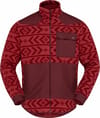
Available colours:

 60 days to change your mind No subject to promotional offers
The Norrona brand’s men’sPhantom Caviar Black fleece Tamok Warm3 Jacket M is designed for demanding outdoor activities, offering optimal thermal insulation thanks to its technical design.
It is manufactured from a fabric warm3 that offers superior thermal comfort and excellent moisture-wickingproperties, keeping you dry even during intense exercise. Made from recycled polyester and recycled ripstop nylon, it offers both lightness and durability, whilst reducing its environmental impact. This fleece features a comfortable collar, a front zip with a chin guard, zipped hand pockets and a zipped chest pocket, as well as pop button cuffs for a precise fit.
Certified bluesign® and GRS, it meets strict standards for environmentally friendly and responsible production. Its standard cut, with pre-shaped sleeves and an extended back, offers freedom of movement and enhanced reinforcement. This Tamok Warm3 Jacket is the perfect fleece for keeping you warm and performing at your best on all your outdoor adventures.
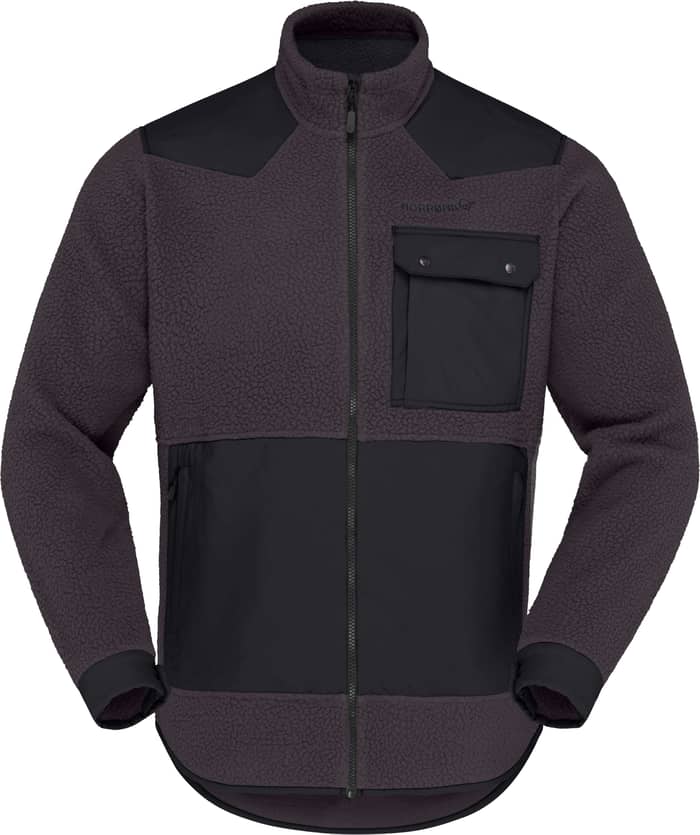


- Fabric warm3 designed for optimal thermal performance and comfort
- Excellent quick-drying and moisture-wicking properties
- Comfortable collar
- Front Zip with chin guard
- Side pockets and a zipped chest pocket
- Cufflinks
- Contoured, piped hem
- Pre-shaped sleeves
- Extended back
- Certified bluesign® and GRS
Composition :
- Main fabric: 100% recycled Polyester
- Secondary tissue: 100% recycled 22D ripstop Nylon (49 g/m²)
| bluesign® | The system bluesign® is the solution for an environmentally friendly textile industry. It regulates the use of harmful substances right from the start of the manufacture process and sets and monitors standards for safe and environmentally friendly production. |
| GLOBAL RECYCLED STANDARD | The standard Global Recycled Standard (GRS) was developed to meet the needs of companies wishing to verify the recycled content of their products (both finished and intermediate) and to ensure responsible social, environmental and chemical practices in their production processes. The standard GRS aims, on the one hand, to set out requirements that ensure the accuracy of content declarations and the quality of working conditions and, on the other hand, to minimise environmental and chemical impacts. |



Sign up for our newsletter
Be the first to hear about promotions, sales, special offers, snowleader events, and new brands added to our catalog!
By signing up for our newsletter, you agree to receive our personalized emails and to allow us to track whether you open them. You can change your consent at any time after you first receive a communication, or after creating your account, if applicable.


