


 Menu
Menu


Wireless bone conduction earphones & headphones for sport


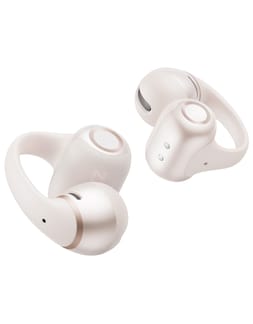
OpenFit Air Blanc
Free wireless earphones -






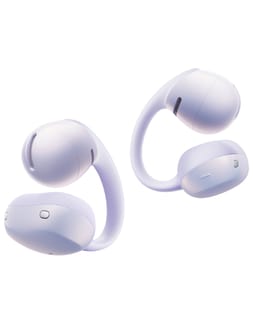


OpenMove Gris
Bone conduction helmet -




Bone conduction headphones & sports earphones: enjoy sound freedom for your outdoor adventures
When you're out trail running, running or cycling, it's essential to choose practical, comfortable gear that keeps you aware of your surroundings. Looking for a way to listen to music or your favourite podcasts while staying alert to what's happening around you? Bone conduction headphones are the answer. Thanks to their innovative design, they deliver a unique listening experience, perfect for outdoor sports sessions. Discover leading brands Shokz and Suunto on Snowleader, alongside our devices and watches for mountain activities.
Bone conduction headphones: how do they work?
Unlike traditional earphones that sit inside your ears, bone conduction headphones transmit sound through the bones of your skull, leaving your ears open so you can stay connected to your environment. Transducers placed on your cheekbones send sound vibrations directly to your inner ear, with nothing blocking your ear canal. Sound quality has improved dramatically in recent years: the latest Shokz generations and models now offer deeper bass and clear vocals, rivalling classic earphones. No more earphones falling out or blocking ambient sounds, and no more discomfort from ill-fitting tips or heavy headphones!
Alongside bone conduction, open-ear models are the other main type of sports earphones. These sit on the outer ear without entering the canal. Shokz and Suunto offer several versions, from compact everyday models to those designed for long outings.
Why choose bone conduction headphones for sport?
Stay aware of your surroundings
Whether you're running in the city or trail running in the mountains, safety is key. With bone conduction headphones, your ears remain open, so you can hear cars, other runners, approaching mountain bikes or race instructions. They're also a great choice on the ski slopes: you can hear skiers passing by and piste announcements while enjoying your playlist. Slim, wraparound models fit easily under a ski helmet.
Ultimate comfort for long sessions
Experienced trail runners know there's nothing worse than earphones that hurt after an hour. Bone conduction headphones, like those from Shokz, are ultra-lightweight and perfectly suited for extended wear. Once in place, you'll quickly forget you're wearing them-no irritation or constant adjustment. The design naturally fits the neck and stays put, no matter your pace or changes in terrain.
Suitable for all outdoor activities
Bone conduction headphones aren't just for trail running and running. In swimming, the Shokz Openswim Pro takes things further with full waterproofing and internal memory to store your music directly on the device (since Bluetooth doesn't work underwater). Triathletes love being able to switch from swimming to running without changing earphones. For ski touring, models work even in extreme cold: the Suunto Wing 2 is rated from -20°C to 60°C. For cycling, the open-ear design keeps your ear canal open, which is essential for hearing traffic on the road.
Technical features that make a difference
Wireless Bluetooth technology
Wireless bone conduction headphones connect via Bluetooth, giving you total freedom of movement. With version 5.0 or higher, the connection stays stable even if your phone is deep in your jacket or backpack. Depending on your outdoor watch, you might not even need to take your phone with you. The Shokz and Suunto apps also let you customise the equaliser and monitor battery life.
Battery life
For a full day of adventure or a long mountain outing, battery life is crucial. With Shokz models, you can rely on excellent battery performance-up to 8 to 10 hours of continuous listening depending on the range. The Suunto Wing 2 offers up to 12 hours, plus an external battery that extends total use to over 35 hours. Also check for fast charging: getting one or two hours of listening from a ten-minute charge can save your race finish or ski day. Remember that cold weather reduces battery life by 20 to 30%, so keep your earphones warm between runs.
Sound quality and microphone
Don't be fooled: bone conduction headphones aren't just a practical innovation-they also deliver high-quality sound. Even with your ears open, you'll enjoy clear audio that improves with each generation. The microphone is also important, especially for outdoor calls: a good noise-cancelling mic filters wind and keeps conversations clear even on the move. The Suunto Wing 2, for example, features effective wind filtering up to 30 km/h.
Water and sweat resistance
Water resistance is indicated by the IP rating. IP67 protects against heavy sweat and rain. IP68, as on the Openswim Pro, allows prolonged immersion for swimming. For rainy trail runs, daily running or skiing, at least IP55 is recommended. Also remember to rinse your earphones with fresh water after swimming in a chlorinated pool to preserve waterproof seals over time.
Shokz and Suunto: our top brands
Shokz has almost single-handedly created the bone conduction headphone market for sport. The OpenRun range, now a classic among runners and trail runners, features an ultra-light, durable wraparound design. The Openswim Pro is aimed at swimmers with full waterproofing and built-in music storage. The rest of the range covers open-ear models and entry-level options for every budget.
Suunto, known for its outdoor watches, has expanded into sports earphones. The Wing 2, released in 2026, is the flagship model: bone conduction, 12-hour battery life extendable to 35, high-performance noise-cancelling mic and cold resistance from -20°C to 60°C. The rest of the range completes the offer with open-ear models for everyday and sports use.
Caring for your sports earphones
After each session, wipe your earphones with a soft cloth to remove sweat and moisture, paying special attention to charging contacts, which can oxidise quickly if neglected. Store them in their protective case when carrying them in a backpack with other gear. Recharge them at room temperature rather than in an unheated space, and avoid leaving them in direct sunlight behind a car windscreen in summer.
FAQ: your questions about bone conduction headphones
Can you swim with bone conduction headphones?
Yes, as long as you choose a model designed for it. The Shokz Openswim Pro is waterproof and works underwater thanks to internal memory that stores your tracks, since Bluetooth doesn't work underwater. Other models resist sweat and splashes but aren't made for prolonged immersion.
In-ear earphones or bone conduction: which is best for running?
In-ear earphones usually offer deeper bass and better isolation, but they block the ear canal. In the city or on shared roads, this is a safety issue. Bone conduction headphones keep your ears open, so you can hear traffic, other runners and warning signals. For trail running, where environmental awareness is key, bone conduction is the best choice.
Are bone conduction headphones compatible with a ski helmet?
Yes, slim wraparound models fit under almost all ski helmets on the market. Test the combination with your own helmet before the season, especially if it has thick ear pads. Also, opt for models with physical buttons, which are much easier to use than touch controls when wearing gloves.
What battery life can you expect from bone conduction headphones?
Current models offer between 8 and 12 hours of continuous listening in normal conditions. Cold weather reduces this by about 20 to 30%. For a day of skiing or an ultra-trail, allow some margin or keep your earphones warm between efforts.


Our Bloch' letter


