


 Menu
Menu


Compression sacks for sleeping bag


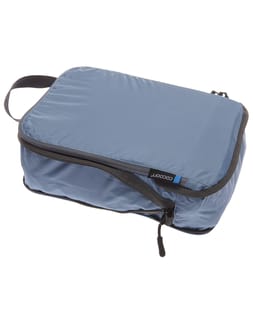


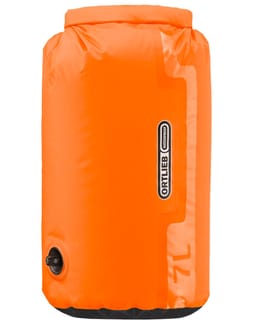


Sac Cube Laurel Wreath XSmall
Waterproof storage bag -






Bulky and hard to fit, a sleeping bag often takes up most of the space in a backpack. A compression sack solves this by reducing its bulk to the bare minimum. Discover our selection for hikers, trekkers, and campers.
Why use a compression sack for your sleeping bag?
A compression sack is ideal for saving space. Some can reduce the volume of their contents by up to three times. On a multi-day trek, every litre freed up in your backpack counts: that's more room for food, a stove, or an extra warm layer. By compressing your sleeping bag, you turn a bulky item into a compact, easy-to-pack shape for the bottom of your bag. The compression straps distribute pressure evenly across the sleeping bag, stabilising the load and preventing your gear from shifting as you walk. To organise other bulky items, like a down jacket or parka, our Sea to Summit compression sacks for sleeping bags are a great addition to your packing system.
The benefits of compression sacks
Beyond just saving space, a compression sack offers several advantages that regular hikers quickly come to appreciate:
- Reduces the bulk of your sleeping bag by up to three times its original volume.
- Creates a more balanced and stable load inside your backpack.
- Protects your sleeping bag from dust, abrasion, and snags.
- For models made from water-repellent fabric, adds an extra barrier against moisture.
How to choose the right compression sack?
The right compression sack is above all the one that matches your sleeping bag and your adventures. Sea to Summit, which makes up most of our range, offers ultra-light models from 5 to 35 litres, covering everything from minimalist summer bags to large winter down models. Two criteria are worth considering before making your choice.
Size and capacity
Capacity is measured in litres and should match the compressed volume of your sleeping bag, never its uncompressed size. A sack that's too small won't close properly, while one that's too large will let your sleeping bag move around and lose the benefit of compression. Small sizes, around 5 to 10 litres, are suitable for lightweight summer down bags; larger volumes are for three-season or winter bags, which are naturally bulkier.
Materials and durability
The longevity of a compression sack depends on its fabric and stitching. Abrasion-resistant nylon with reinforced seams can withstand repeated tightening and contact with other gear. For trips in wet conditions, a model made from waterproof fabric, like the Evac Compression Dry Bag UL from Sea to Summit in Cordura®, adds welcome protection. Also check the strength of the straps and buckles: these take all the tension when compressing, and their failure can ruin the whole sack.
Tips for optimal packing
Effective compression techniques
How do you compress your sleeping bag without damaging it? The best method is to stuff it into the sack without rolling or folding it first: letting it spread out naturally avoids creating tension creases in the same spots, which preserves the filling over time. Once the opening is closed, tighten the straps gradually and evenly, alternating sides rather than pulling one strap tight before moving to the next. This compacts the sleeping bag evenly, without overstressing the seams.
Care and storage
This is the most often overlooked point: never store your sleeping bag compressed between trips. Leaving down or synthetic fill squashed for weeks permanently reduces its loft and warmth. Only use the compression sack for transport, and store your sleeping bag in the large, breathable storage sack provided, or hang it flat. As for the compression sack itself, a rinse with clean water after muddy trips and thorough air drying with the straps loosened is enough to prevent premature wear of the fabric.
Compression sacks beyond sleeping bags
Your backpack or suitcase is full and you still want to add more? Choose compression sacks! The same principle that works for sleeping bags applies to all your bulky, soft items: a down jacket, parka, or spare clothing can be compressed just as well, freeing up valuable space whether you're preparing for a demanding trek or a simple weekend away. For this, the Squeezer Compression Packing Cube from Cocoon is a dedicated compression cube for clothing, perfect for organising a backpack or suitcase. Once you start using this system, it's hard to go back. Also see all our storage bags for trekking and camping to complete your organisation.
FAQ about compression sacks for sleeping bags
Can you use a compression sack for any type of sleeping bag?
Yes, as long as you match the capacity to your model. Down sleeping bags, which are highly compressible, benefit most from a compression sack. Synthetic fill bags can also be compressed, but usually offer a bit less margin: in this case, choose a slightly larger capacity to avoid stressing the fabric.
Does a compression sack protect my sleeping bag from moisture?
This depends entirely on the model. A standard compression sack saves space but does not guarantee waterproofing: water can seep in through seams and the closure. For camping in the rain or crossing wet terrain, choose a waterproof model like the Evac Compression Dry Bag UL, or add one of our dedicated waterproof bags to your kit.
For more tips on preparing for nights outdoors, check out our selection of sleeping bags.


Our Bloch' letter


