


 Menu
Menu


Extreme Cold Sleeping Bags


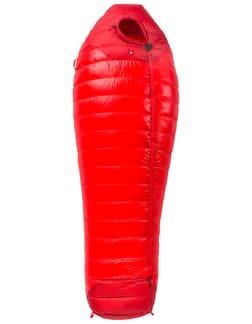

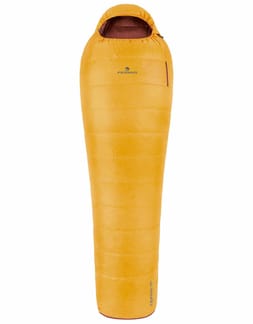
Core 950 Navy
4-season down sleeping bag -


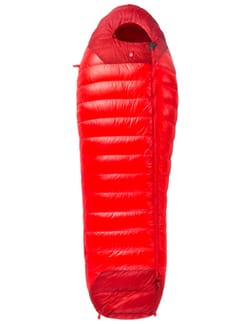

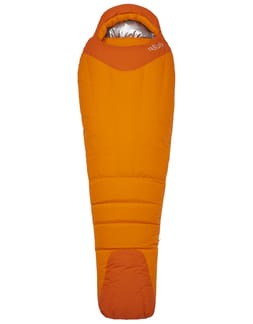


Alpine -29C/-20F Down
Extreme cold sleeping bag -



Discover a wide selection of extreme cold sleeping bags for men, women, and unisex, designed for maximum comfort in high mountain environments. Built to withstand sub-zero temperatures, these 4-season models are ideal for winter bivouacs, expeditions, and nights at altitude, offering the warmth and lightness you need.
How to choose your extreme cold sleeping bag
Since weather conditions can be harsh during your hikes and expeditions, it's essential to equip yourself with a sleeping bag that can handle extreme temperatures. Whether you're planning a winter crossing in Lapland, a self-sufficient ski tour, or a high-altitude bivouac after a mountaineering ascent, your choice of sleeping bag will determine the quality of your recovery and, more importantly, your safety in the field. Three main criteria guide this decision: temperature rating, type of insulation, and the balance between weight and compressibility. Explore our full range in the sleeping bags category.
Temperature ratings
All reputable brands display their sleeping bag temperature ratings according to the EN 13537 standard, now replaced by ISO 23537, which defines three key values to consider before buying:
- Comfort temperature: the temperature at which a standard sleeper (usually a woman) can sleep in a relaxed position without feeling cold. This is the most reliable value for choosing your bag.
- Limit temperature: the lowest temperature at which a sleeper can stay warm in a curled-up position without shivering for 8 hours.
- Extreme temperature: a survival value that should never be used as a purchase reference. At this level, you may avoid hypothermia but won't be able to sleep.
Our field advice: always rely on the comfort temperature and choose a model with a value lower than the actual temperatures you expect to encounter, keeping a margin of 5 to 10°C for windy or high-altitude nights.
Insulation and materials
It's true: you can find an ultra light sleeping bag that will keep you warm this winter, even in the coldest conditions! How? Mainly thanks to goose down and its lofting properties: measured in Cuin (cubic inches), the higher the number, the better the insulation. A good sleeping bag generally has between 650 and 800 cuin. This quality of down expansion offers the best barrier against the cold without sacrificing lightness-in fact, quite the opposite! The result? Ultra-light and ultra-warm sleeping bags! The Bloody Mary from Valandré, suitable for both men and women, perfectly demonstrates the benefits of down with its 800 cuin and featherweight of 1,175 g!
Should you always choose down? Not necessarily. Synthetic fillings, made from hollow polyester fibres, retain their insulating properties even when wet, dry quickly after a damp night in a tent, and are more affordable. The downside: they are heavier and less compressible for the same insulation. In summary: down is best for dry, extremely cold conditions where every gram counts, while synthetic is ideal for damp environments like spring bivouacs in mid-mountain or extended treks.
Weight and compressibility
There's another way to travel lighter: save on volume and carry a lighter backpack! Gone are the days of sleeping bags taking up all your space-now you can find ultra compact sleeping bags that compress down to just 2.5L! For example, the renowned Bossons -10° from Millet is both ultra-compressible and super light. Use our filter system to find another compressible model that meets your needs!
On multi-day expeditions, self-sufficient treks, or winter camping, every gram counts. An extreme cold sleeping bag typically weighs between 1,000 g and 2,000 g depending on its insulation and filling. The goal is not absolute lightness, but the right balance between warmth, carried weight, and packed volume, so you can save space in your backpack for other technical gear (stove, spare clothing, safety equipment). To optimise space, consider investing in a quality compression bag.
The best brands for extreme cold sleeping bags
To enjoy mountain adventures without the drawbacks, Snowleader offers extreme cold sleeping bags featuring the latest technologies. Our selection includes leading manufacturers, each specialising in a specific use: premium expedition down, technical mountaineering models, or versatile 4-season bags.
Valandré: the French reference for expedition down
Based in the Pyrenees, Valandré stands out in the world of extreme cold sleeping bags: the brand uses premium goose down and hand-assembles all its bags, with a level of finish recognised by polar and Himalayan expeditions. The range covers all negative temperatures. The Bloody Mary, already mentioned, is the most versatile entry for winter mountain cold. For more extreme temperatures, the Thor Neo and Odin Neo are designed for high-altitude expeditions, while the Shocking Blue Neo is a 4-season mummy bag for the harshest nights. The Swing CO 850, lighter and more compressible, appeals to long-distance mountaineers, and the La Fayette completes the range for demanding winter bivouacs. A brand to choose if you want a bag built to last for decades.
Therm-a-Rest and Nemo: American technical expertise
Among American brands, two names lead our extreme cold range. Therm-a-Rest sleeping bags, known for their mats, also offer technical sleeping bags: the Questar 0F has a comfort temperature around -18°C for winter bivouacs, and the Polar Ranger goes down to -30°C for mountaineering and polar expeditions. Nemo sleeping bags offer two complementary Sonic models (Sonic 0 and Sonic -20) with a design that minimises cold spots and hydrophobic down, especially useful when humidity is an issue in the tent.
The North Face, Ferrino and Millet: versatile 4-season options
For those seeking their first extreme cold bag without an expedition budget, several options complete the selection. The North Face offers the Green Kazoo and Stormbreak 20F, two versatile bags for winter trekking and sub-zero bivouacs. Ferrino is a reliable Italian brand with the Lightec 1000, designed for extended winter hikes, and Ferrino sleeping bags will meet your needs. Millet rounds out the range with the Bossons -10°, a compressible and accessible model perfect for mid- and high-mountain bivouacs.
Still unsure about your future bag's use? Check out our trekking sleeping bags category to compare three-season models with the extreme cold bags featured here.
Care tips to extend your sleeping bag's lifespan
Cleaning and storage
An extreme cold sleeping bag is a significant investment, and its insulating power depends directly on proper care. For down models, use a specific down detergent (such as Nikwax Down Wash); for synthetics, use a gentle detergent without fabric softener. Always use a large-capacity front-loading machine to avoid crushing the insulation chambers. For down drying, tumble dry on low with a few tennis balls to restore loft-air drying can flatten the filling and encourage mould. Find all suitable detergents and waterproofers in our sleeping bag care products category.
Storage is just as important. Never leave your bag compressed in its stuff sack between uses: fibres and down will lose their loft, reducing insulation. Hang it in a dry, airy room, or store it uncompressed in a large cotton mesh bag provided by most premium brands.
Repair and maintenance
A tear isn't irreversible if treated quickly. Self-adhesive patches like Tenacious Tape can be applied cold to the inner membrane and last for years without sewing, avoiding damage to the insulation chambers during home repairs. Zips, a common weak point in heavily used bags, should be regularly cleaned with a brush to remove sand and dust, and occasionally lubricated with wax. Finally, always air your bag inside out for one to two hours each morning-while you have breakfast, for example-to remove body moisture accumulated overnight, the main cause of insulation loss.
FAQ: Choosing the right extreme cold sleeping bag
Which accessories can improve the comfort of an extreme cold sleeping bag?
Several accessories can usefully complement an extreme cold sleeping bag:
- Sleeping bag liner in silk or fleece, which adds 3 to 8°C of thermal comfort and protects the inside of your bag from sweat.
- Insulated sleeping mat with an R-value above 4, essential for blocking ground cold, the main source of heat loss during winter bivouacs.
- Waterproof and breathable bivy bag, which protects your sleeping bag from condensation in the tent or precipitation during open-air bivouacs.
What temperature rating should you choose for an extreme cold sleeping bag?
For winter trips in European mountains (Alps, Pyrenees, Vosges), a bag with a comfort temperature between -10°C and -20°C covers most situations in bivouacs or unguarded huts. For polar expeditions, high-altitude camps, or trips in northern ranges like Scandinavia, choose models with a comfort temperature below -25°C. Remember, a suitable mat, dry nightwear, and good hydration are just as important as the temperature rating on the bag's label.
Which shape is best: mummy or rectangular?
For extreme cold, the mummy shape is the clear choice. Its close-fitting cut and adjustable hood around the face minimise the air volume to be heated, significantly reducing heat loss at the head, neck, and shoulders-the most exposed areas during bivouacs. Rectangular models, more comfortable for summer camping or heated huts, are not suitable for extreme cold as their internal volume leads to excessive heat loss.


Our Bloch' letter


