


 Metropolitan France
 United Kingdom
 Deutschland
 Belgique
 Suisse
 Österreich
 España
 Italia
 Danmark
 Sverige
 Portugal
 Polska
 Luxembourg
 Other countries


Available colours:


Available colours:


Available colours:


Available colours:




Available colours:


Available colours:


Available colours:




Available colours:



End of the Season for Snow Series
Up to 70% off items at the end of the season for snow*

Available colours:


Available colours:

Available colours:



Available colours:

Available colours:


Available colours:


Available colours:

Available colours:


YOUR FREE BAG
Get a free ski bag with the purchase of skis, a snowboard, or shoes*

Available colours:


Discover our dedicated mountain biking section: helmets, body armour, clothing, backpacks and accessories-everything you need for your enduro, downhill or all-mountain rides. Our experts have selected equipment that combines safety, comfort and performance, from your very first ride to the most demanding trails.
Essential mountain bike equipment
Whether you're tackling your first descents or have been riding bike parks for years, mountain bike gear is the foundation for a safe and enjoyable experience. Every item, from the helmet to the MTB shoes, has a specific role: protection, moisture management, vibration absorption, and freedom of movement on technical sections. Our selection is built around these needs, offering a coherent range that meets the demands of the terrain without compromising on quality.
MTB helmets: safety first
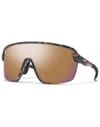
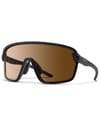
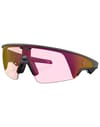
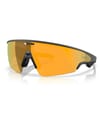
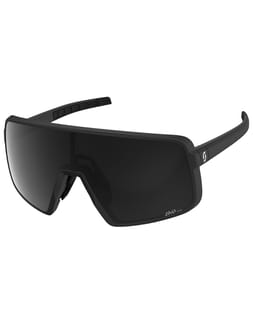
The helmet is a non-negotiable part of your kit. For cross-country and all-mountain, a well-ventilated open-face helmet offers the best balance of lightness and airflow for long climbs. For more demanding riding, especially enduro and downhill, a full-face helmet is essential, protecting your entire face and jaw on fast or rough sections. Brands like POC, with models such as the Tectal or Axion, are benchmarks for MTB protection, both for helmets and back protectors. Goggles and sunglasses complete your protection, shielding your eyes from dirt, dust and low branches, with options from Julbo (Fury Reactiv, Spectron) and Bliz offering photochromic lenses that adapt to changing light in the woods.
MTB clothing: comfort and performance
The right kit transforms your ride. Technical MTB clothing is made from breathable fabrics that wick moisture away, resist repeated friction from the saddle and backpack, and offer total freedom of movement on the bike. Explore our range of men's MTB clothing for enduro and all-mountain, and for help choosing the right kit for the season and weather, our guide on how to choose your MTB outfit will give you practical advice.
For jerseys, whether short or long-sleeved, breathable fabrics reduce dampness and dry quickly during breaks. For mid-season or cool weather, a lightweight, packable windproof jacket fits easily in your bag and can be pulled out in seconds at the top of a climb. When conditions get tougher, a waterproof and breathable jacket, paired with a merino base layer and technical socks, keeps you dry and warm without restricting movement. For bottoms, MTB shorts are usually worn over padded cycling shorts for comfort in the saddle and a clean look on the trails. For more demanding riding like enduro or downhill, reinforced MTB trousers at the knees and seat protect against branches, rocks and falls, with a loose fit to accommodate knee pads underneath.
MTB shoes: the connection between foot and pedal
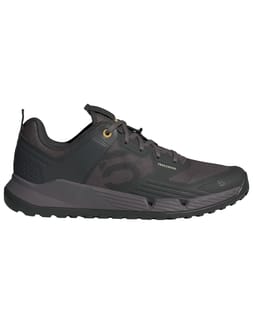
The choice of shoe depends directly on the type of pedals fitted to your bike. Flat pedal shoes use a grippy rubber sole that sticks to the pins without mechanical attachment: your foot can move freely, a key advantage in enduro, downhill and for riders who want maximum control on technical sections. Five Ten and its Stealth rubber are the reference here, joined by Scott and Ion in our selection. Clipless pedal shoes work differently: an SPD cleat screwed into the sole clips into the pedal, improving pedalling efficiency both up and down, ideal for long cross-country climbs. See our full range in the MTB shoes section.
MTB accessories: the details that make the difference
Beyond helmets and clothing, several accessories can turn an average ride into a great one. You rarely think about a light until a ride runs into dusk, a repair kit until you puncture on a singletrack, or hydration until you feel tired. Yet these small items make all the difference on the trail:
- Body armour: back protectors, knee pads, elbow pads and gloves protect the most exposed areas in a fall, with D3O-type foam that hardens on impact but stays flexible while riding.
- Lighting: powerful front lights and rear safety lights to extend your rides into the evening or ride safely in the woods.
- Repair kit: inner tube, multi-tool, pump, tyre levers and tubeless plugs so you're never stranded miles from home.
- Hydration: bottles, insulated flasks or hydration bladders integrated into a dedicated backpack, to suit the length of your ride and the temperature.
- Carrying solutions: a well-designed MTB backpack carries a hydration bladder, windproof, repair kit and a few energy bars without restricting movement; for lighter rides, bottle belts and frame bags offer a minimalist alternative.
MTB gloves deserve a special mention: they improve grip on the bars, absorb vibrations from rough terrain, and protect your palms in crashes. For the most demanding disciplines, they are part of a wider protection system including back protectors and reinforced knee pads, to be chosen according to your riding style and terrain.
How to choose your mountain bike equipment?
Choosing your MTB kit means considering several factors: your main discipline, skill level, season, and the type of terrain you ride. Each discipline has its own requirements, and the most common mistake is picking gear designed for a different style of riding.
Adapting your kit to your riding style
For cross-country, lightness and breathability are key: ventilated open-face helmet, close-fitting jersey, compact shorts and minimal protection. All-mountain requires a balance between protection and freedom, with a slightly more covering helmet, soft knee pads and a mid-sleeve jersey for branch protection. In enduro and downhill, protection is the priority: full-face helmet, back protector, reinforced knee pads, elbow pads, long gloves and abrasion-resistant clothing are essential. Brands like Ion, Scott and POC offer ranges tailored to each discipline, making it easier to choose when you know your riding style. As for electric mountain bikes (e-MTB), they follow the same basics as classic MTB but require extra protection due to higher average speeds and heavier bikes, especially for helmets and joint protection.
Key criteria to consider
Several factors should guide your choice for a coherent and long-lasting kit:
- Skill level: beginner, intermediate or expert, your needs for protection and technical features evolve with your riding.
- Season and weather: breathable clothing for summer, windproof and waterproof for mid-season, thermal and merino layers for winter to maintain body temperature during effort.
- Terrain type: a flowing singletrack, a bike park or a technical alpine descent all require different levels of protection, shoes and clothing.
- Ride duration: a quick hour after work doesn't need the same bag or hydration as a full-day alpine adventure.
- Fit and sizing: poorly fitting kit loses effectiveness and comfort; always check each brand's size guide before buying.
FAQ: your questions about MTB equipment
What protection is essential for starting mountain biking?
For safe mountain biking, three pieces of protection are the minimum before anything else. The helmet is non-negotiable, whatever your discipline: a well-ventilated open-face model is suitable for cross-country and all-mountain. Gloves come next, for grip on the bars and to protect your palms in inevitable beginner falls. Finally, a pair of soft knee pads gives real peace of mind on technical sections without hindering pedalling. As you progress into enduro or downhill, back protectors, elbow pads and a full-face helmet complete this basic kit.
How do I care for and extend the life of my MTB equipment?
Looking after your MTB kit involves a few specific steps, different from standard outdoor clothing. Rinse your clothing with clean water after muddy rides before machine washing, to prevent mud from embedding in technical fibres. For waterproof clothing, use a dedicated membrane cleaner and occasionally tumble dry on low to reactivate the water-repellent treatment. Clean your helmet with warm soapy water on the shell and removable pads, and always replace it after any major impact, even if there are no visible cracks. Finally, check the condition of straps, fastenings and seams on your protection before every ride, as these are the first to wear with intensive use.


Sign up for our newsletter
Be the first to hear about promotions, sales, special offers, snowleader events, and new brands added to our catalog!
By signing up for our newsletter, you agree to receive our personalized emails and to allow us to track whether you open them. You can change your consent at any time after you first receive a communication, or after creating your account, if applicable.


