


 Metropolitan France
 United Kingdom
 Deutschland
 Belgique
 Suisse
 Österreich
 España
 Italia
 Danmark
 Sverige
 Portugal
 Polska
 Luxembourg
 Other countries


Available colours:


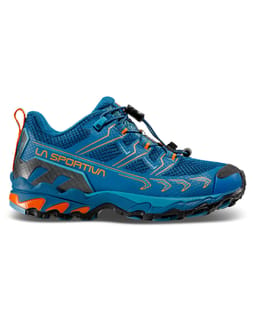
Available colours:

Available colours:

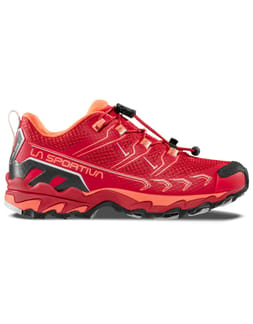
Available colours:

Available colours:

Available colours:


Available colours:


Available colours:

Available colours:
Available colours:
Available colours:

20% off
On the entire city section* with the code CITY20*

Available colours:
Available colours:
Available colours:
Available colours:

Available colours:
Available colours:
Available colours:


FALL SALE: UP TO 50% OFF
On a wide selection of products*
Available colours:


Available colours:
Kids' walking boots: equip your little adventurers for the mountains
What could be better than heading out for a family hike? It's the perfect activity to recharge, spend quality time with your children, and introduce them to new surroundings. But to make the most of the trail, your kids need the right footwear. On Snowleader, you'll find a selection designed to support all their outdoor adventures, from first woodland walks to more challenging mountain hikes.
How to choose kids' walking boots?
Good kids' walking boots are essential to minimise the risk of injury. Most accidents are caused by loss of balance or slips on slopes. To avoid blisters and rubbing, take the time to carefully select junior walking boots. The right model depends on several factors: your child's build, the type of terrain you'll be tackling, and the difficulty level of your outings. For more advice and to compare with adult models, check out our guide to choosing walking boots.
Size and fit
It's tempting to buy a size up to allow for growth, but this often causes problems on the trail. Boots that are too big let the foot slide forward on descents, leading to blisters, rubbing, and black toenails. The rule is to leave about one centimetre of space between the big toe and the end of the boot, with your child standing and the laces properly tightened. Always try boots on with the walking socks your child will wear outdoors, not thin everyday socks.
Boot height: low, mid or high
The height of the boot directly affects ankle support and how you can use the footwear. There are three main types:
- Low-cut: designed for short walks on easy, flat trails, prioritising lightness and freedom of movement.
- Mid-cut: the most versatile option for family hikes, offering ankle support without being too rigid.
- High-cut: recommended for rough, rocky, or mid-mountain terrain, providing ankle protection and reducing the risk of twists.
They should be both sturdy and mid or high-cut for better foot support. On technical hikes with a small kids' hiking backpack, mid or high-cut boots are best to secure every step.
Grip and waterproofing
A lugged sole from Contagrip or Vibram offers excellent grip on wet trails, damp grass, or granite rock. If you want to explore this further, browse our range of walking boot insoles. For waterproofing, a Gore-Tex membrane (often marked GTX in the model name) keeps feet dry when crossing streams or in rainy weather, while allowing the boot to breathe and wick away sweat. This is a real advantage for outings in mid-season or at altitude, where the weather can change quickly.
Materials to look for
For boots that last a whole season of walks, material quality makes all the difference. Nubuck leather is valued for its durability and longevity, while technical mesh fabrics lighten the boot and improve breathability in hot weather. Reinforcements at the toe and heel are also key: they protect against knocks from stones and roots, which are common when kids start running on the trails.
The best brands for kids' walking boots
Snowleader brings together the top outdoor footwear brands, with junior versions from manufacturers who take young adventurers seriously. Here are the brands you can trust for a well-informed choice.
Salomon, Adidas Terrex, Hoka and Élémenterre: leading brands
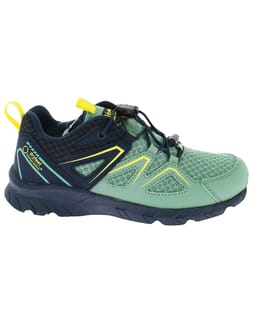
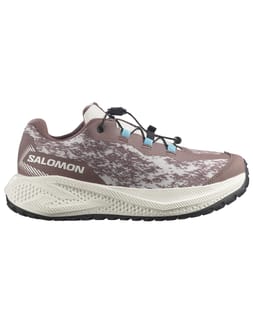
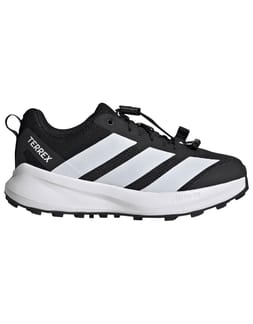
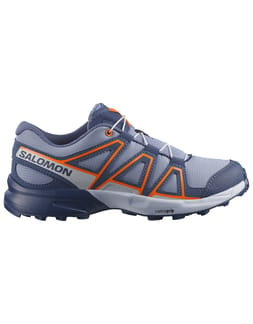
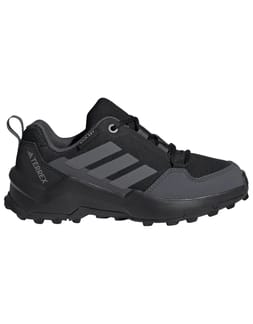
French brand Salomon, based in Annecy, brings proven adult boot technologies to its junior models: Contagrip grip for mixed terrain, Quicklace system that's easy for small hands, and dynamic soles that follow the stride. Salomon kids' walking boots are a safe bet for families who hike regularly, from weekends in the mountains to longer trips. With its Terrex range, Adidas offers lightweight, modern, and technical models, perfect for children and teens who want effective mountain boots without sacrificing style. Good grip, secure fit, and attractive colours make them a popular choice for families seeking an urban touch in their outdoor gear.
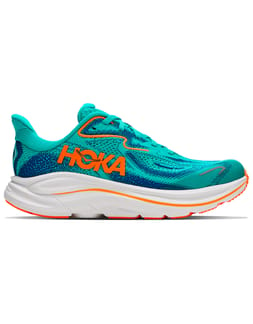
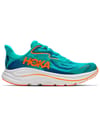
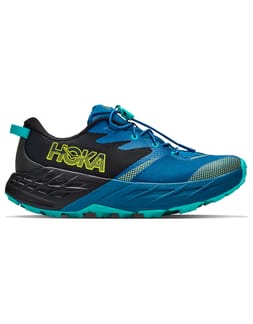
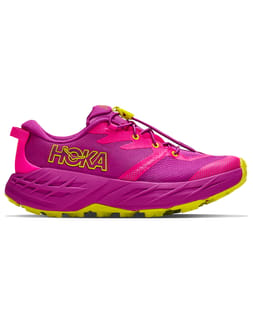
Hoka brings its signature cushioning and lightness to junior models like the Speedgoat 6 Y: an excellent choice for energetic kids who mix hiking, trail running, and forest play. Élémenterre completes the line-up with its Zenteno range, a French mid-range reference offering great value for money. It's often a smart pick for a first pair for weekend walks, or for kitting out a growing child without investing in top-end models.
Looking after your child's walking boots
Regular care significantly extends the life of a pair of boots, which is important when feet grow quickly but the boots can still be handed down to siblings. A few simple steps will keep technical performance intact between outings, and you can find suitable care products in our selection of walking boot care products.
Cleaning and drying after each walk
After a walk, remove mud with a soft brush and a little warm water, avoiding harsh detergents that could damage stitching and adhesives. Take out the insoles and loosen the laces to air the boots properly. Dry at room temperature, away from radiators or direct sunlight, which can harden leather and weaken seams. To speed up drying, stuff the boots with crumpled newspaper to absorb any remaining moisture.
When to replace the boots?
There are two main signs. First, if the boots are too small, which shows as complaints at the end of a walk or curled toes when taking them off. Second, visible wear on the sole or upper, especially on technical boots: worn-down lugs or a membrane that no longer keeps water out mean it's time for a new pair, even if the size still fits.
FAQ: kids' walking boots
At what age can a child start hiking?
As soon as they walk confidently, around 2 or 3 years old, children can try their first short walks on very easy trails and short distances, just a few hundred metres. From 6 or 7 years old, day hikes with some elevation become possible, as long as you adapt the pace to their legs and plan regular breaks to keep them keen for next time.
Which boots to choose for each season?
In spring and summer, a lightweight, breathable, and well-ventilated boot is ideal for dry trails. In autumn and for outings at altitude, a waterproof boot with a membrane and higher cut becomes essential for mud, puddles, and the first snow. In winter, choose a warm, waterproof boot, or even snow boots if your child regularly takes part in winter activities.
What's the difference between kids' walking boots and trainers?
Kids' walking boots have a lugged sole for grip on uneven ground, reinforced ankle and heel support, protective toe and heel caps, and usually a waterproof membrane. Trainers, designed for pavement, don't offer the grip, protection, or waterproofing needed in the mountains and can lead to sprains or slips as soon as the terrain gets technical.



Sign up for our newsletter
Be the first to hear about promotions, sales, special offers, snowleader events, and new brands added to our catalog!
By signing up for our newsletter, you agree to receive our personalized emails and to allow us to track whether you open them. You can change your consent at any time after you first receive a communication, or after creating your account, if applicable.


