


 Menu
Menu


Trail insoles


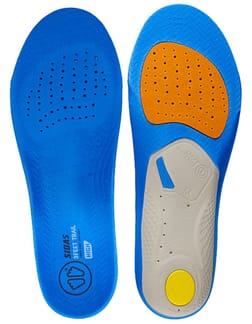


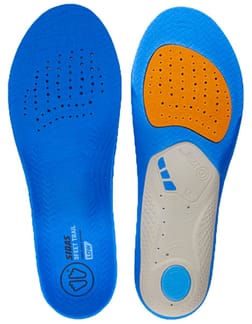
Whether you're preparing for a mountain trail race or a run on rolling paths, trail insoles play a crucial role in the comfort and support of your feet. Often overlooked in favour of shoes, they deserve your full attention to get the most out of every stride.
Why choose trail insoles?
The insoles supplied with trail running shoes are, in most cases, generic models that don't take into account your foot shape or the specific demands of the terrain. Replacing them with dedicated insoles gives you better support and comfort from the very first kilometres. If you regularly run on technical trails or in the mountains, you'll notice the benefits immediately in the quality of your outings.
Comfort and pain reduction
On long runs, foot pain, knee tension or lower back discomfort can affect your stride and enjoyment. A quality trail insole follows the natural shape of your foot, reduces pressure points and helps prevent blisters. Designed for demanding terrain, these insoles help reduce injuries caused by repeated impacts. For runners prone to sciatica, proper arch support helps correct postural imbalances and relieve radiating pain throughout your run.
Cushioning and shock absorption
Every technical descent and landing puts your joints under more strain than running on tarmac. Trail insoles provide targeted cushioning at the heel and forefoot to absorb these shocks, outing after outing. Combined with trail running shoes equipped with a Vibram outsole, they offer complete foot protection from landing to push-off. Repeated runs on rocky or root-covered terrain gradually weaken your support, making this equipment even more essential.
Support and foot stability
How can you avoid a sprain on a muddy single track or muscle fatigue after three hours of mountain running? Foot support is part of the answer. A structured trail insole supports the arch, stabilises the heel and guides your stride naturally. On uneven ground, where every step is different, this support makes the difference between a controlled run and a tiring finish.
Trail insole technologies and design
Sidas, a French brand specialising in foot comfort for over 45 years, is a reference in trail insole design. Each model is designed to meet real-world terrain demands, from rolling forest paths to high mountain races. Discover Sidas insoles on Snowleader to find the right model for your needs.
Improved stability and balance
Sidas insoles feature strategic reinforcements at the heel and midfoot to enhance lateral stability. This design helps distribute pressure more evenly and limits unwanted foot movement inside the shoe. You'll gain balance on technical sections and stride efficiency over time, resulting in less muscle fatigue at the end of your run.
Adaptation to your arch
Every foot is unique, which is why choosing the right insole is so personal. Sidas insoles come in several profiles to suit low, medium or high arches. Some heat-mouldable models shape to your foot for truly personalised support. This level of adaptation reduces friction, improves energy transfer and maintains overall comfort, even after hours of running.
How to choose your trail insoles?
Know your arch type
Choosing trail insoles starts with identifying your arch type. Flat feet need extra support to compensate for the lack of natural arch, while high arches require more cushioning to absorb shocks. To determine your profile, you can do a wet footprint test at home or consult a sports podiatrist. This simple diagnosis will guide you to the insole best suited to your foot shape and stride.
Match insoles to your activity
Not all trail insoles are the same, and the right choice depends on your use:
- Short trail and racing: choose a thin, lightweight insole that promotes responsiveness and dynamic movement.
- Ultra-trail and long distance: opt for enhanced cushioning and maximum arch support to maintain comfort over time.
- Technical terrain and mountains: select a rigid insole with good lateral stability for secure footing on exposed sections.
- Runs on rolling paths: a flexible insole with progressive cushioning is ideal if you alternate between forest tracks and dirt roads.
Trail insoles are generally compatible with most men's trail running shoes and women's trail running shoes. Just remember to remove the original insole before inserting the new one and check the sizing. Some versatile models can also be used for other outdoor activities like hiking or trekking, as long as they offer a good balance of cushioning and support.
Trail insoles FAQ
What are the signs that you need to replace your trail insoles?
Several signs should alert you: cushioning that feels less effective than before, unusual pain in your feet, knees or back after a run, or an insole that looks flattened, worn or deformed. As a general rule, trail insoles should be replaced every 800 to 1,000 kilometres, depending on how often you run and the type of terrain you cover.
How do you care for your insoles after a run?
Remove your insoles from your shoes after each run and let them air dry away from direct heat sources like radiators or tumble dryers. If they're particularly muddy, a rinse with lukewarm water and mild soap is enough. This simple habit extends the life of your insoles and preserves their cushioning and support properties over the kilometres.
Can you use trail insoles for hiking?
Absolutely. The qualities needed for hiking are very similar to those for trail running: cushioning, arch support and stable footing. If you're heading out on long routes with a heavy backpack, choose a model with extra support and thicker cushioning than a running-specific insole to compensate for the added weight on your joints.


Our Bloch' letter


