


 Menu
Menu


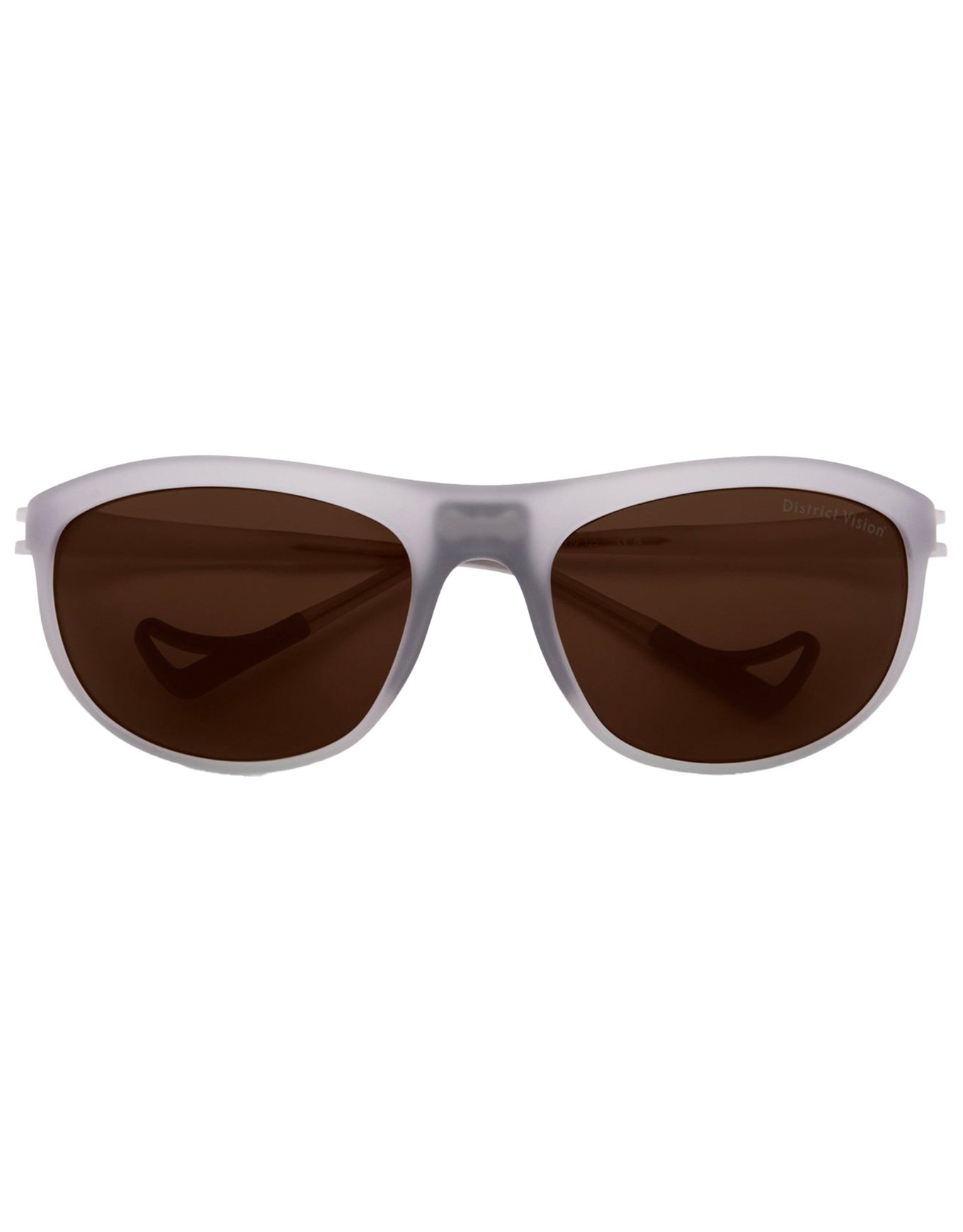


Takeyoshi Altitude Master Slate/D+ Earth Vision
Polarised sunglasses with therapeutic lenses -
Other colors available
20% OFF
*See conditions Home delivery from 17/09/2026
 60 days to change your mind
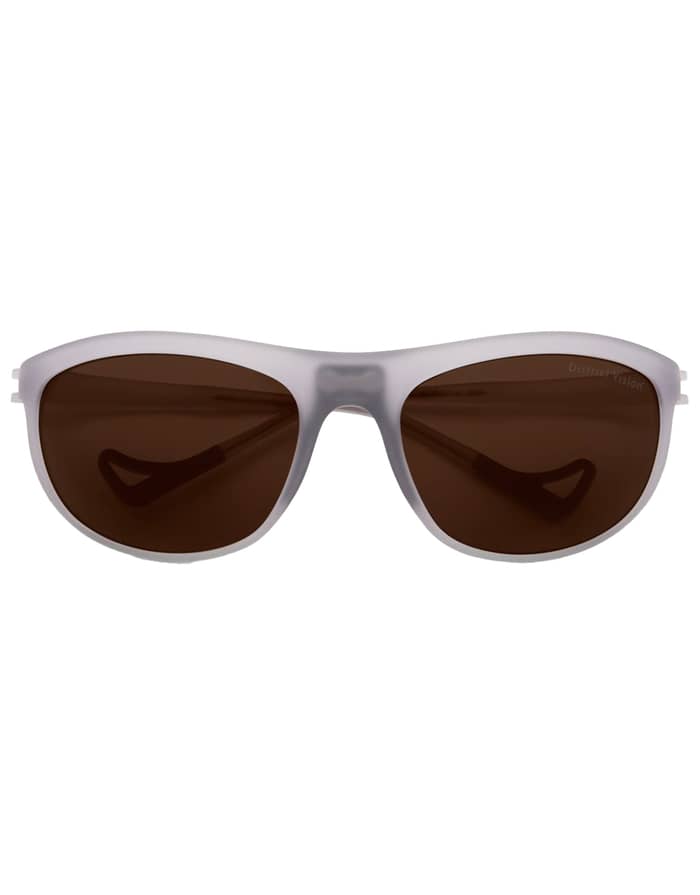
True to the holistic and technical approach of the brand District Vision, the Takeyoshi Altitude Master Gray/D+ Black Rose sunglasses redefine performance optics standards thanks to the revolutionary technology of the D+ therapeutic lenses.
Designed in Japan from an unbreakable polycarbonate compound, these lenses incorporate the prescription directly into the lens structure, offering unprecedented lightness and a panoramic field of vision, both vertical and peripheral, without the distortions linked to clipped inserts. With a visible light transmission of 10.03% and blue light filtration at 6.06%, these polarised lenses guarantee absolute clarity in high brightness conditions. Protection is total against UVA/UVB, while anti-reflective and anti-smudge treatments ensure consistent vision, even during the most intense efforts.
The frame is specifically sculpted to meet the demands of endurance athletes. Its ergonomic shape ensures optimised ventilation, preventing any fogging and providing superior thermal comfort during exertion. It features adjustable nose pads and temple tips for a personalised and unwavering fit. The latter are equipped with a titanium core, combining extreme robustness and flexibility.
This pair stands out as an indispensable precision tool for those seeking functional excellence.


- Polarised sunglasses with therapeutic lenses
Lenses :
- Polarised lenses
- D+ therapeutic lenses made from an unbreakable polycarbonate compound
- Anti-reflective and anti-smudge coatings
- 100% protection against UVB-UVA
- Allows 10.03% of visible light to pass through
- Allows 6.06% of blue light to pass through
Frame :
- Ergonomic shape
- Optimal ventilation
- Compatible with helmet use
- Adjustable nose pads and temple tips
- Titanium core in the temple tips
- Made in Japan
Dimensions :
- Lens length: 136 mm
- Temple length: 125 mm
| D+ THERAPEUTIC LENSES | This is the world’s first integrated corrective screen technology, where the correction is integrated into the lens as a single piece, not clipped or glued separately. The fully integrated corrective screen is remarkably lightweight and offers a vertical and peripheral panoramic field of vision. |


Our Bloch' letter


