


 Menu
Menu


Trail poles


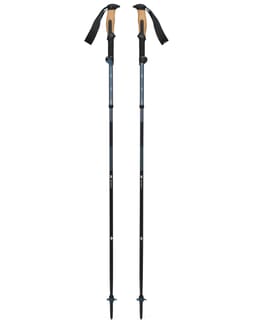

Trail Vista Flz Trekking Midnight Blue


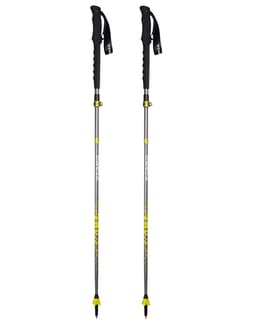







Trail Vista Flz Trekking Midnight Blue
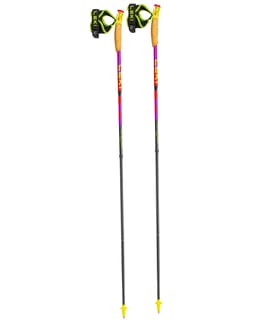
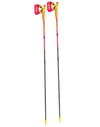

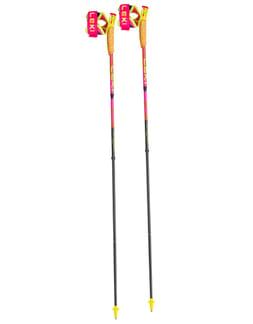
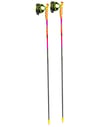
Trail poles: find the right model for your needs
Trail running requires a high level of self-sufficiency and essential gear for safety. Among the must-have equipment, trail poles stand out: they support you on the toughest sections, where steep gradients and technical terrain put your body to the test. When choosing your trail poles, consider weight, features, comfort, and your experience level. Discover a complete selection of trail running poles for every runner profile at Snowleader.
Why use trail poles?
Trail poles are a valuable asset both uphill and downhill, helping you stay stable and relieve your thighs. On climbs, they distribute effort between your upper and lower body, improving propulsion and protecting your quadriceps. On descents, each pole plant absorbs some of the impact that would otherwise go straight to your knees and ankles. Use them regularly in training to master efficient technique. If you're unsure which to choose, our selection of best trail poles will help you decide.
Improve stability and performance
On mountain trails with roots, rocks, or technical sections, trail poles provide a third and fourth point of contact that transform your balance. You maintain a steadier pace, your stride becomes more efficient, and your push-off is more effective on ascents. This stability is especially noticeable in ultratrail or cross-trail events, when fatigue sets in after hours of effort. Walking poles and trekking poles share these qualities and are a good alternative for occasional trail runners.
Reduce muscle fatigue
Why do some runners finish an ultra with strong legs while others end with burning quads? The answer often lies in the poles. By engaging your arms, shoulders, and core, you significantly reduce the load on your legs. This transfer of effort delays cramps, protects your joints, and helps you keep a steady pace in the final kilometres, where the race is decided.
Types of trail poles
Not all trail poles are the same, and the choice between a folding or telescopic model depends mainly on your intended use. Here are the main types to know.
Folding poles: compact and lightweight
Folding trail poles usually consist of three sections connected by an internal cord, allowing quick deployment in seconds. Once folded, they fit easily into a pack or trail belt, making them ideal for runners who prioritise lightness. Carbon models often weigh less than 200g per pair. Some feature cork handles for a natural grip and good moisture management. Remember, folding poles have a fixed length, so it's essential to choose the right size for your body before buying.
Telescopic poles: adjustable and versatile
If you alternate between trail running, hiking, and Nordic walking, telescopic poles are likely the most versatile choice. Thanks to their locking system (clip or twist), you can adjust the height in seconds to suit the terrain. They are slightly heavier than folding models, but this adjustability makes them popular with regular users. They're also a great option for beginners who haven't yet found their ideal setting.
Materials and technologies
The material of a trail pole directly affects its weight, strength, and feel with each plant. There are two main types, each with its own advantages.
Carbon: lightweight and responsive
Carbon trail poles are prized for their featherweight and ability to absorb vibrations. Each plant is precise and responsive, and wrist fatigue is limited even after hours of running. This is the material of choice for competitors, especially on fast, technical trails. The downside: they are more sensitive to side impacts, which can cause breakage on very rocky ground. Brands like Leki in trail running, Camp, and Salomon offer carbon models among the market leaders.
Aluminium: robust and durable
If you run on very rough terrain or want a pole that can take knocks without issue, aluminium is your ally. Stronger than carbon and more affordable, it suits both beginners and those who value long-term reliability. The extra weight compared to carbon is moderate (just a few grams per pole) and won't affect most runners.
How to choose your trail poles?
Consider your height and activity
To set the correct height for your trail poles, use this simple guide: standing upright with your elbow bent at 90°, the pole tip on the ground, your forearm should be parallel to the ground. For trail running, shorten the pole slightly on climbs for better push-off, and lengthen it on descents for more control. With telescopic models, these adjustments can be made in seconds on the go.
Essential accessories
A few well-chosen accessories can transform your comfort while running. Here are the key items to consider for your trail poles:
- Interchangeable baskets, to suit different terrain (dry trails, mud, snow).
- Straps, for secure support that prevents hand fatigue on the grip.
- Tungsten tips for rock and rubber tips for tarmac or road sections.
- Quivers or trail packs and belts for carrying your folding poles when not in use.
Trail pole brands at Snowleader
Snowleader offers a selection of the best trail running poles from brands like Leki, Black Diamond, and Scott. The French brand Guidetti, a trail pole specialist, completes the range with models designed for both competition and weekend outdoor adventures. Each brand develops carbon or aluminium, folding or telescopic ranges to suit a wide variety of runners. Snowleader offers free delivery from €199, free returns within 60 days, and a free gift from €299 spent.
FAQ: your questions about trail poles answered
What size pole should you choose for trail running?
The ideal size is found by standing upright with your elbow bent at 90°, pole tip on the ground: your forearm should be parallel to the ground. For trail running, it's best to choose a slightly shorter length than you would for hiking, as running phases make a pole that's too long cumbersome and less manageable.
How do you care for your trail poles?
After each outing, rinse your poles with clean water to remove mud and sand, then let them air dry before storing. Regularly check the locking system (clip or twist) and replace the tips as soon as they show signs of wear. For folding models, inspect the internal cord to ensure it's not frayed or slack, as this would compromise the pole's rigidity during use.
What are the differences between carbon and aluminium trail poles?
Carbon offers minimal weight and excellent vibration absorption, making it the top choice for competition. Aluminium, more impact-resistant and affordable, is better suited to very technical terrain or for beginners. The choice depends mainly on your budget, how intensely you run, and the type of terrain you cover.


Our Bloch' letter


