


 Menu
Menu


Women's trail shoes


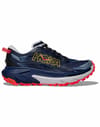


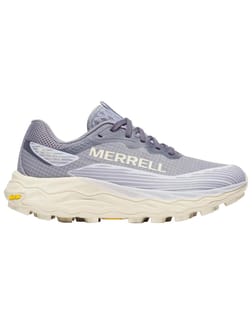

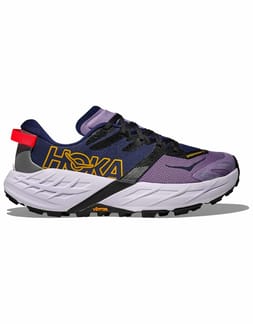
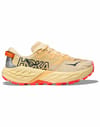


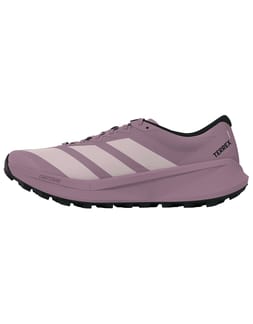


Terrex Agravic 4 W Magic Mauve/Putty Mauve/Core Black
Women's trail running shoes -



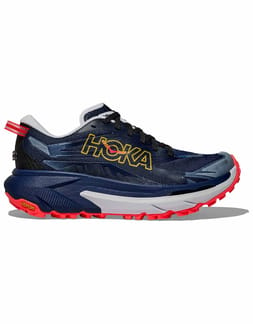
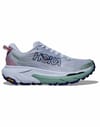
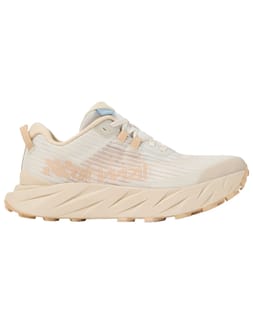
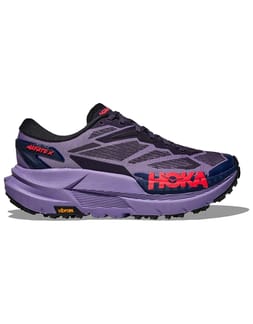
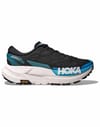
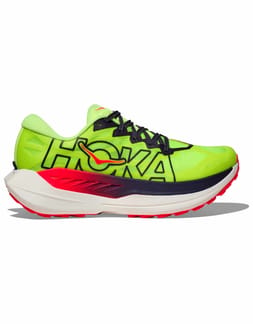


Mafate 5 W Ambient Blue/Rosemary
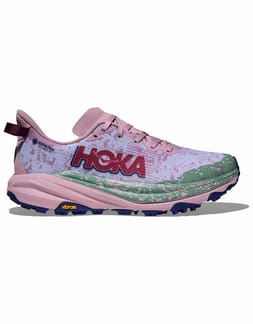




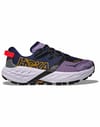
Love running and pushing your limits? You'll need high-performance, comfortable women's trail running shoes. Discover our expert selection of women's trail shoes, chosen by our trail running specialists from over 400 brands.
Why choose women's trail running shoes?
Women's trail running shoes are specifically designed for the female foot shape. Unlike simply downsizing men's models, women's trail shoes feature a narrower heel fit, adjusted forefoot volume, and flex calibrated for lighter weight. The heel is usually slimmer, the arch more pronounced, and the forefoot proportionally wider-differences that manufacturers now take into account to offer a precise fit, free from rubbing or pressure points.
Comfort, cushioning and support
When choosing, prioritise comfort: they should be flexible yet provide excellent support and cushioning. On long descents or rocky sections, quality cushioning makes all the difference: the latest foams absorb shocks while returning energy with every stride. Stability and foot protection are just as important, especially for runners tackling technical trails where every step engages the ankle.
The type of trail shoe you choose depends greatly on your running terrain: smooth forest paths, rugged mountain trails or mixed routes all require different features. Beyond durability, grip and traction, pay attention to design details that enhance comfort over the miles, such as seamless construction, lace pockets or lateral support bands.
The best brands for women's trail running shoes
Choose from a wide range of women's trail shoes from Salomon, Hoka One One, NNormal and Adidas Terrex. Hoka women's trail shoes stand out for their generous cushioning and Meta-Rocker geometry, making transitions smoother on rolling trails. Salomon is known for its Contagrip outsoles and Quicklace system, offering reliable grip and convenience for runners.
Adidas Terrex offers robust shoes built for mountainous terrain and demanding conditions. Nnormal, founded by Kilian Jornet, is a rising reference with lightweight, technical models designed for pure trail running. Altra appeals to runners seeking a wide forefoot fit thanks to its FootShape design and zero drop, both respecting the foot's natural shape. The range is completed with responsive models for precise ground feel, while Merrell provides versatile options for those alternating between trail and hiking. For more insights, check out our top 10 women's trail shoes on the Snowleader blog.
How to choose your women's trail running shoes?
Terrain type and weather conditions
Your choice of women's trail shoe depends above all on the terrain you run on. Each surface requires a different sole and level of protection:
- Smooth trails and forest paths: opt for a lightweight shoe with soft cushioning and shallow lugs for a good balance of comfort and grip.
- Technical and rocky terrain: choose a stiffer sole, reinforced toe bumper and deep lugs for secure traction on every step.
- Wet and muddy ground: a sole with spaced, deep lugs (such as Contagrip or Vibram Megagrip) prevents mud build-up and maintains traction. A Gore-Tex version can also be useful if you often run in the rain or on soaked trails.
Experience level and frequency
Your experience and how often you run also influence your choice of trail shoe:
- Beginner or occasional runner: a versatile model with good cushioning and a standard drop (6 to 8 mm) ensures comfort and safety on most terrains.
- Regular runner: invest in a more technical shoe with enhanced support and increased durability to handle the miles.
- Competition and ultra-trail: look for lightness, responsiveness and a low drop (0 to 4 mm) to maximise feel and performance.
For more information and guidance, see our advice guide "How to choose your trail shoe" on Snowleader.com!
Complete your trail running kit
A good pair of shoes is just the start: for the best running experience, also consider your trail running socks, as their support and moisture management directly affect foot comfort. A suitable trail running backpack for your distance lets you carry water, nutrition and an extra layer without discomfort. Looking for men's models for your running partner? Discover our selection of men's trail shoes.
FAQ: Your questions about women's trail running shoes
How do you choose the right size for women's trail running shoes?
For trail running, it's recommended to go half a size to a full size up from your usual street shoe size. On descents, your foot moves forward: this extra space helps prevent black toenails and toe pain. Try your shoes at the end of the day, when your feet are slightly swollen, and with the socks you usually wear for running.
Should you choose waterproof trail running shoes?
It depends on your running conditions. A waterproof membrane like Gore-Tex protects effectively from moisture on short trails or in unstable weather, but reduces breathability. For long summer runs or dry weather, a shoe without a membrane dries faster and offers better thermal comfort. Ideally, have two pairs suited to the season and your outings.
What are the durability criteria for women's trail running shoes?
The lifespan of a trail shoe is generally between 600 and 1,000 km, depending on terrain and model. Women's models, often built with lighter foams and finer mesh for flexibility, may wear out a bit faster than men's equivalents on very abrasive ground. To maximise longevity, check the quality of the outsole (Vibram or Contagrip), the density of the cushioning foam and the strength of the upper mesh. Reinforcements at the toe bumper and heel counter are also good indicators of robustness.
How do you care for women's trail running shoes to extend their lifespan?
After each run, remove the insole and let your shoes air dry, away from direct heat sources that could deform the foam. For cleaning, use a soft brush with lukewarm water and mild soap. Avoid washing machines and tumble dryers, which weaken the glue and damage the shoe's structure.


Our Bloch' letter


