


 Metropolitan France
 United Kingdom
 Deutschland
 Belgique
 Suisse
 Österreich
 España
 Italia
 Danmark
 Sverige
 Portugal
 Polska
 Luxembourg
 Other countries

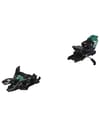
Cruise 12 Black/Green
 Home delivery from 02/10/2026
 60 days to change your mind
The Cruise 12 is a ski touring binding from Marker.
This new fastener is made from bio-sourced and recycled plastics, with no compromise on quality or performance. Weighing just 475g per binding, the Cruise 12 is an incredibly simple, comfortable and modern way to get into ski touring.
The clip on bindings have a number of exceptional features that make life easier for skiers when they go out. The Cruise 12 has an ISI toe piece and heel piece to reduce the effort required to put it on. You'll have no trouble getting the heel cup on, as it features a comfortable climbing aid at 0°, 8° and 12°. What's more, thanks to its ergonomic design, they can be easily rotated to 180°, so you can switch from touring to skiing mode quickly and easily.
This binding is for anyone who wants to discover the world of ski touring!


- Skier's weight (Recommended): <120kg
- DIN/ISO: 6-12
Ski stop sizes: 90 mm/ 105 mm
- Stack height: 23mm
- Toe piece system: ISI Toe
- Heel cup: Cruise
- Range of adjustment : 60mm
- Weight (pair): 950g
Technologies:
- Active Length Compensation : Active compensation along the heel allows the heel to move back up to 7 mm when the ski is flexed.
- Climbing Aids: Climbing aids make walking uphill comfortable. The aids can be used quickly and easily. The colour code makes it easy to identify the three climb modes (0°, 8° and 12°).
- ISI Toe: The ISI tip ensures you can get in and out quickly and easily.
- Adjusting the length: The Cruise heel offers an adjustment range in the heel of 25 mm (+- 12.5 mm)
- Bio-based plastic: Biobased plastics are used in components with a maximum mechanical load. They have the same mechanical properties as conventional plastics, they have a lower CO2 footprint and do not consume fossil resources such as oil or natural gas. Biosourced plastics are used, for example, in climbing aids and tips.
- Recycled materials: Recycled plastics have the best environmental footprint and reduce waste at the same time. To meet our high standards of quality and safety, we have adopted a consistent approach to design for sustainability. The material is used for less demanding components, and the design of components have been specially designed to take advantage of the properties of recycled plastic.



Sign up for our newsletter
Be the first to hear about promotions, sales, special offers, snowleader events, and new brands added to our catalog!
By signing up for our newsletter, you agree to receive our personalized emails and to allow us to track whether you open them. You can change your consent at any time after you first receive a communication, or after creating your account, if applicable.


