Flex: 6/10
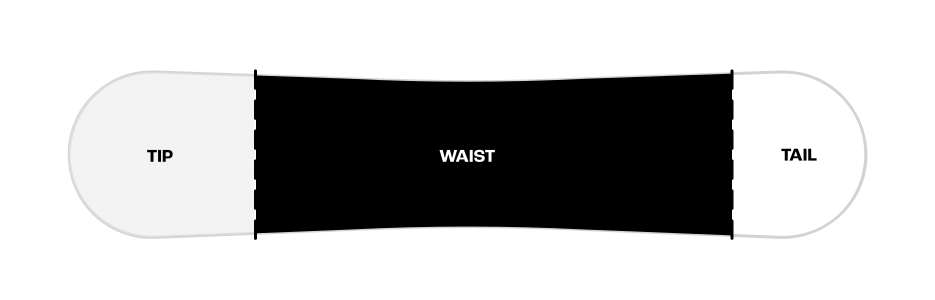
Sidecut: 274/238/252 in the 130cm model
Turn radius: 5.6 for the 130cm model
Camber:
Christenson Surf Rocker: nose and tail rocker designed by shaper Chris Christenson. Very long rocker that starts at the front and rear binding mounts.
Shape:
: The nose is longer and wider than the tail and the inserts have been set back on the back of the board. These features provide more lift in powder.
Blunt Nose : the blunt nose provides the lift benefits of a longer nose without the rounded shape and extra weight.
Traction tech 1.0 : Wavy edges offer multiple contact points along the entire snowboard. This technology offsets the reduced length of the edge/snow contact points due to rocker.
Progressive Sidecut : The radius at the ends of the sidecut is slightly increased as the edge reaches the contact points. This larger radius ensures a smoother ride when entering and exiting turns.
Technologies:
-FSC™ Classic Core: Wooden core in Slovenian poplar for fun pop and flex durability
- ECO-Plastic TopSheet: recycled plastic obtained from the Ricin plant. This eco-friendly material is ultra-light, scratch-resistant and water-repellent to prevent snow from sticking to the topsheet.
-Biax Fiberlass: double layer of fibreglass applied in both directions for a fun board that forgives small mistakes.
- Sintered 8000 base: durable sole with added carbon for speed and good wax absorption.
- Flip Flop Base: to minimise waste during the manufacturing process. Two base colours available, delivered randomly.
-Oversized Recycled Edges: edges made from recycled steel.
- Recycled Rounded ABS: The ABS plastics in Jones boards are made from recycled plastic.
- Wend Natural Wax: ready to use as soon as they leave the factory, Jones snowboards are already waxed with Wend Natural Wax.
- Bio Resin: All Jones boards are now built with bio-based, renewable epoxy instead of petroleum based epoxy The raw materials used to make Super Sap Bio-Resin are co-products or waste products of other plant-based industrial processes. Producing Super Sap requires 33% less greenhouse gas emissions than traditional epoxy.


 Menu
Menu


 60 days to change your mind
 No subject to promotional offers