


 Menu
Menu


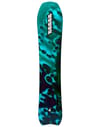


Excavator 2026
Freeride snowboard -

 Home delivery from 05/06/2026
 60 days to change your mind


it's worth it!

The
Its shape says a lot about how it is used. A directional profile that indicates a snowboard designed for descent and Powder snow riding. As for the board’s
It features the very latest core
For added power and responsiveness, the topsheet
Finally, the icing on the cake: the
The


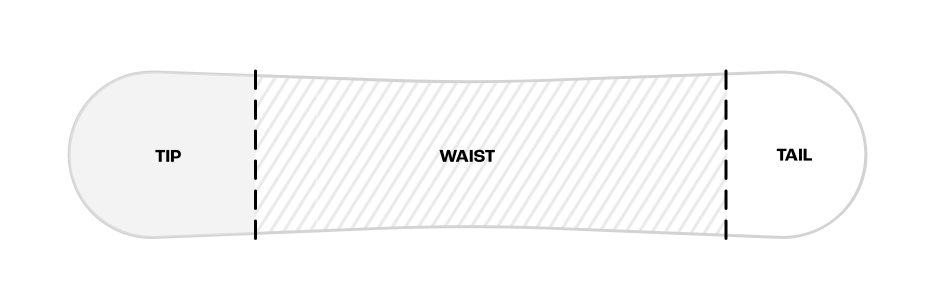


| Height (cm) | 154 | 158 | 162 |
| Sidecuts (mm) | 318 264 298 | 324 268 304 | 327-270-307 |
| Radius (m) | 7.1 | 7.3 | 7.5 |
| 53.34 | 55.88 | 58.42 | |
| 19 | 19 | 19 | |
| User weight (kg) | 54–91+ | 59–104+ | 59–104+ |
- 2x4 inserts
Flex: semi-rigid
| Camber - |
The most responsive camber profile in the range features a camber that runs from the front of the foot to the tail of the board, with a slight early ascent in the nose. This gives the rider the greatest possible precision and control on any terrain, whilst gliding effortlessly over deep snow. |
| The directional shape is the classic snowboard shape, designed with a nose that is slightly longer than the tail to concentrate the pop at the tail whilst offering plenty of floatation, smoothness and control on all terrains and in all conditions. | |
| Core - |
This new core, developed by [ |
| Smooth, all-round performance with a no-frills design. The fibres are woven together at 0° and 90°, creating a more flexible pattern. In addition to this |
|
| Sole - |
The sole is made by compressing polyethylene pellets under high pressure, which makes the board more robust, increases its durability and helps the wax last longer, allowing you to ride fast even on a thick layer of powder. |
| Carbon injection in the tail of the board for an aggressive response. | |
| Choose a board that is 4 to 6 cm shorter than your usual snowboard length. | |
| 2x4 INSETS | They allow you to increase the number of options for positioning your bindings in the best possible way. |


Our Bloch' letter


