


 Metropolitan France
 United Kingdom
 Deutschland
 Belgique
 Suisse
 Österreich
 España
 Italia
 Danmark
 Sverige
 Portugal
 Polska
 Luxembourg
 Other countries
Dainese back protectors
Discover Dainese back protectors, designed to offer protection, comfort and freedom of movement on the slopes.


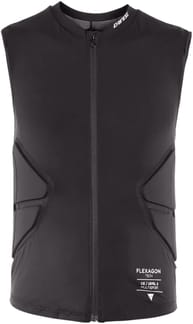


With Dainese protection, skiers and snowboarders can complete their kit with back protection designed to move with you while shielding your back from impacts. The brand has been developing protective gear for dynamic sports for decades, offering solutions tailored to skiing. At Snowleader, the available range lets you choose from different types of back protectors to suit your needs, activity, and body shape.
Dainese back protectors: protect your back while skiing
A fall on the slopes can result in a back impact. A back protector complements other safety gear used for skiing or snowboarding, protecting a particularly exposed area while allowing you to move freely.
Comfort is also key. A back protector is usually worn for several hours and should remain comfortable throughout the day. Its fit, flexibility, and ability to move with you are important factors when choosing protection.
Why wear a back protector for skiing?
A back protector is an extra piece of equipment designed to protect your back in the event of a fall. It complements other winter sports gear and can be worn by both skiers and snowboarders.
It's not just for the most extreme activities. Falls or collisions can happen in various situations on the slopes. Whether to wear a back protector depends on your habits and the level of protection you want.
Protection and freedom of movement
Ski protection should move with your body. Bending, twisting, and shifting weight are constant while skiing and require freedom of movement.
Dainese focuses on this balance with its Flexagon range. These protectors use several flexible elements that follow your body's movements, combining protection and mobility.
Dainese: expertise in protective equipment
Founded in Italy in 1972, Dainese has extensive experience in developing equipment for dynamic sports. The brand created its first back protector in the late 1970s and has continued to innovate in protection and comfort ever since.
This expertise now covers various disciplines, including winter sports. Dainese ski equipment is designed to meet the specific demands of the sport, with a focus on body protection and freedom of movement.
Designed to move with you
Mobility is crucial in back protector design. A protector that's too rigid or poorly fitted can become uncomfortable, especially with frequent movement.
The Dainese protectors available at Snowleader follow this approach. The Flexagon design uses flexible elements that move independently, allowing the protector to better follow your body's movements.
The Flexagon technology
Flexagon technology features a construction made up of several flexible elements and memory foam Crash Absorb®. The hexagonal shapes are designed to enhance flexibility while helping to protect your back.
This design helps you find the right balance between protection and freedom of movement, so the back protector moves naturally with you while skiing or snowboarding.
How to choose a Dainese back protector for skiing?
Choosing a back protector depends on several factors: your body shape, activity, desired comfort level, and type of protection. The goal is to find equipment that stays in place during activity and is comfortable enough to wear all day.
Choosing for your body shape
Size is essential for proper protection. A back protector that's too large may shift during movement, while one that's too small can be uncomfortable and restrict mobility.
The Dainese protectors at Snowleader come in different versions. To choose correctly, check the size guide for the model and refer to the manufacturer's measurements.
Choosing for your activity
Your needs may vary depending on how you ski or snowboard. For regular piste outings, comfort and freedom of movement may be especially important. More dynamic activities may require greater focus on protection and support.
It's best to consider all these factors rather than focusing on just one. The right protection should suit your activity and remain comfortable to wear.
Check comfort and fit
A back protector should stay in place during movement without causing excessive pressure. The support system should be snug enough to prevent shifting.
Comfort is also important when worn for hours. Before heading out, check that it remains comfortable in all positions and doesn't cause discomfort under your jacket.
Back protector or protective vest: what's the difference?
The Dainese protectors at Snowleader come in different forms. Some are standalone back protectors, while others are integrated into a protective vest.
Both formats aim to protect your back, but their design and how they're worn differ.
The back protector
A standalone back protector focuses mainly on the back area. It can be worn with different outfits and is ideal for those who want to add specific protection to their kit.
However, its fit and bulk should be considered, especially when worn under a ski jacket.
The protective vest
The vest integrates the protection into a garment worn as an extra layer. This design keeps the protector close to the body and makes it easier to put on.
Dainese protective vests at Snowleader use Flexagon technology and are designed to combine protection, flexibility, and freedom of movement.
How to wear a Dainese back protector properly?
Proper positioning is key for both effectiveness and comfort. Before heading out, take a moment to check that it's correctly placed and all support systems are properly adjusted.
The protector should stay in place when you bend, turn, or shift your weight. If it moves often, you may need to adjust it or check that the size is right for your body.
Adjusting the support systems
Depending on the design, support may be provided by straps or a belt.
These should be adjusted so the protector stays close to your body without causing excessive compression. Also consider the jacket you'll wear over it to maintain good freedom of movement.
Check positioning before skiing
A quick check before each outing ensures the protector is correctly positioned. Make sure it covers your back properly and hasn't shifted after putting on your jacket.
Do a few movements before setting off to check that the protector stays stable and comfortable.
How to care for a back protector?
Care depends on the design and materials used. Always follow the Dainese recommendations for your specific model.
After use, let the protector dry thoroughly before storing. Avoid keeping it in damp environments or conditions that could damage the materials.
This approach applies to all the brand's safety equipment, including Dainese helmets and protection.
What to do after a fall?
After a significant fall, check your protector's condition. An impact can affect some elements even if damage isn't immediately visible.
If you notice deformation, tearing, or have doubts about the protector's integrity, consult the manufacturer's recommendations before using it again.
FAQ about Dainese back protectors
Can you machine wash a Dainese back protector?
Care instructions may vary depending on the model and materials. Always check the instructions provided with your protector before washing and follow the manufacturer's recommendations.
How long can you keep a back protector?
There isn't a set lifespan for all protectors. The condition of the materials, frequency of use, and any impacts should be considered. The specific Dainese recommendations for your model are the reference.
How to check a back protector before a new season?
Inspect all parts of the protector before using it again. Check the condition of the materials, any deformations, seams, straps, and support systems. If the protector has taken a significant impact, pay special attention as per the manufacturer's advice.
To compare the different types and features in this category, back protectors let you explore the various solutions available for winter sports.



Sign up for our newsletter
Be the first to hear about promotions, sales, special offers, snowleader events, and new brands added to our catalog!
By signing up for our newsletter, you agree to receive our personalized emails and to allow us to track whether you open them. You can change your consent at any time after you first receive a communication, or after creating your account, if applicable.


