


 Metropolitan France
 United Kingdom
 Deutschland
 Belgique
 Suisse
 Österreich
 España
 Italia
 Danmark
 Sverige
 Portugal
 Polska
 Luxembourg
 Suomi
 Ελλάδα
 Other countries

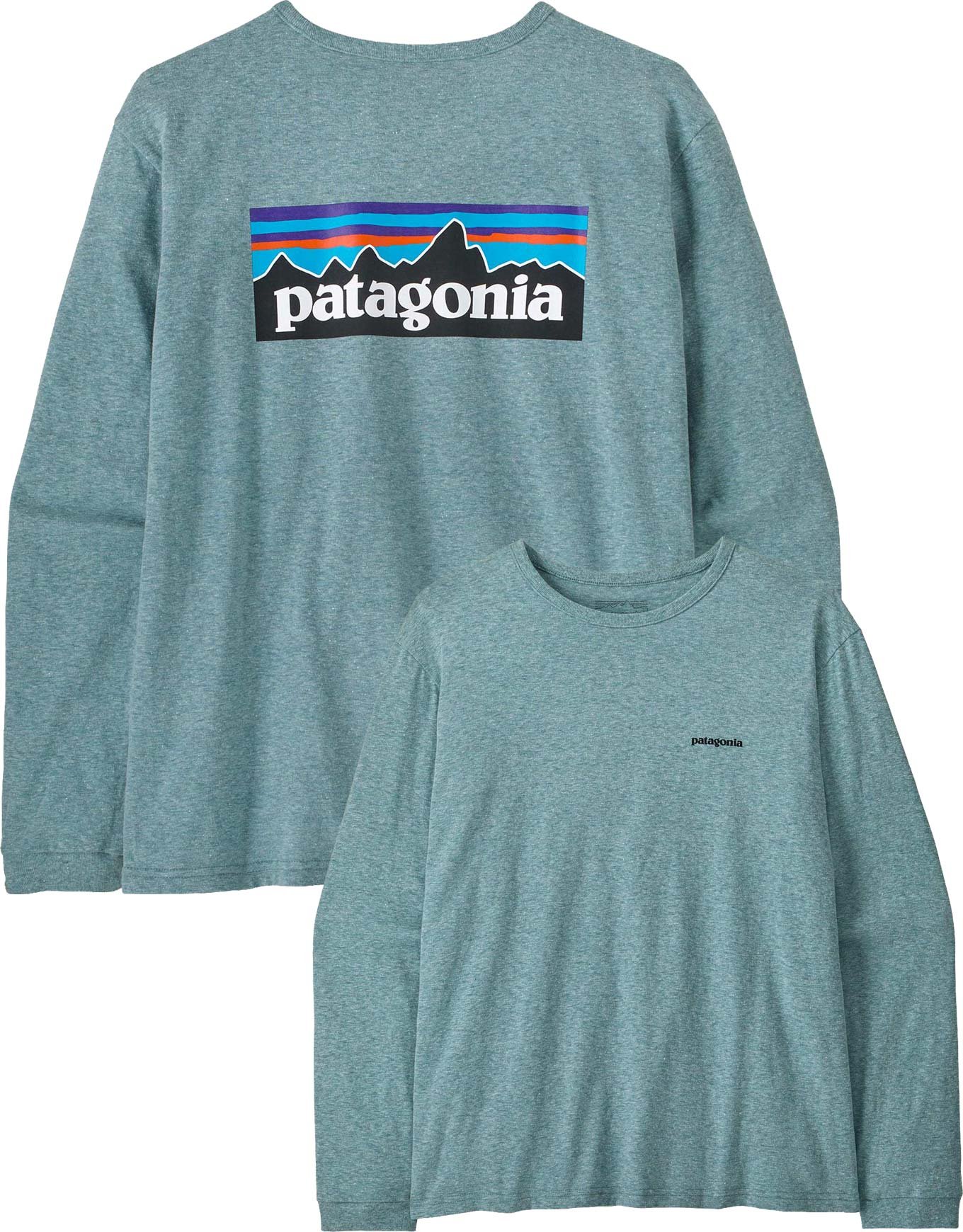


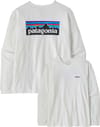
W's L/S P-6 Logo Responsibili-Tee Blue Sage
Recycled polycotton T-shirt - Women -
Available colours:

 60 days to change your mind No subject to promotional offers
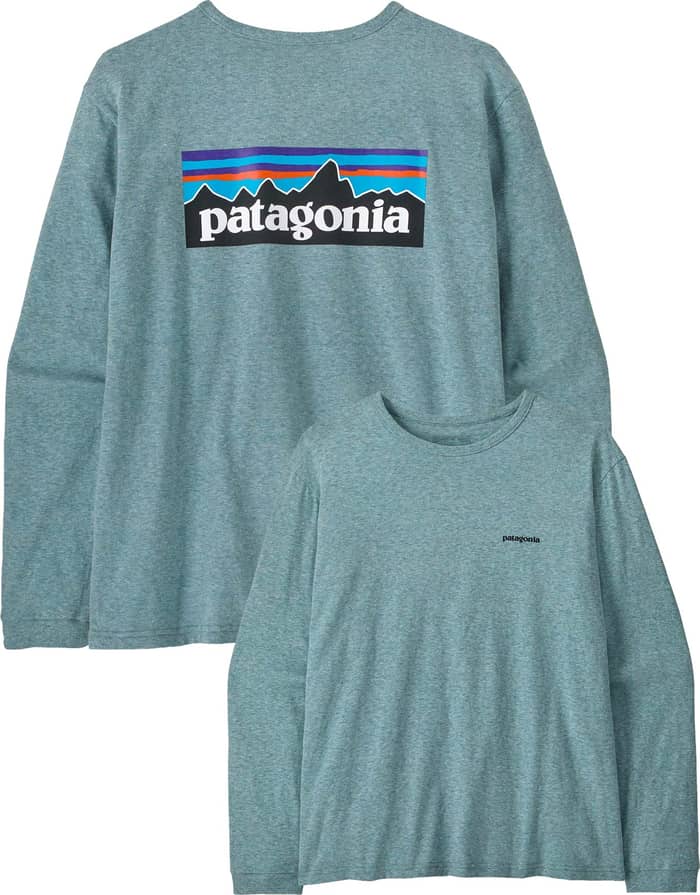
The W's L/S P-6 Logo Responsibili-Tee Blue Sage for women from the brand Patagonia is a comfortable t-shirt to wear daily in all seasons.
Its fabric is made of recycled poly-cotton, consisting of 4.8 bottles and 118 g of fabric scraps. You can finally tell your friends that the model you own is the most eco-friendly one available! Indeed, its production using recycled materials reduces water consumption by 96% and CO2 emissions by 45% compared to a traditional cotton t-shirt.
In terms of style, it proudly features a screen print on the chest and back. This t-shirt will accompany you on all your daily adventures.
Additional visuals have been added to showcase the product's features. Here, the model offered for sale is blue.

- T-shirt in recycled polycotton
- Seam-sealed shoulders for increased comfort and better fit
- Screen-printed design with PVC- and phthalate-free inks
- Fair Trade Certified™ manufacturing
Composition:
- 50% Recycled cotton, 50% Post-consumer recycled polyester
| FAIR TRADE CERTIFIED™ | For Patagonia, Fair Trade Certified™ (fair trade) is the first step towards fairer wages for the people within their supply chain. As they do not own any factories to manufacture their products, they have limited control over the amounts their workers receive. However, thanks to the Fair Trade programme, they can supplement workers’ wages by providing benefits that improve their quality of life. |



Sign up for our newsletter
Be the first to hear about promotions, sales, special offers, snowleader events, and new brands added to our catalog!
By signing up for our newsletter, you agree to receive our personalized emails and to allow us to track whether you open them. You can change your consent at any time after you first receive a communication, or after creating your account, if applicable.


